The fix before the finish
Drywall repair contractors in Williamsport, PA
Nail pops, settling cracks, water stains, and doorknob holes, the wall damage that ruins an otherwise good paint job. What proper drywall repair costs, and why the prep step decides how the paint looks for years.
What do drywall contractors repair around here?
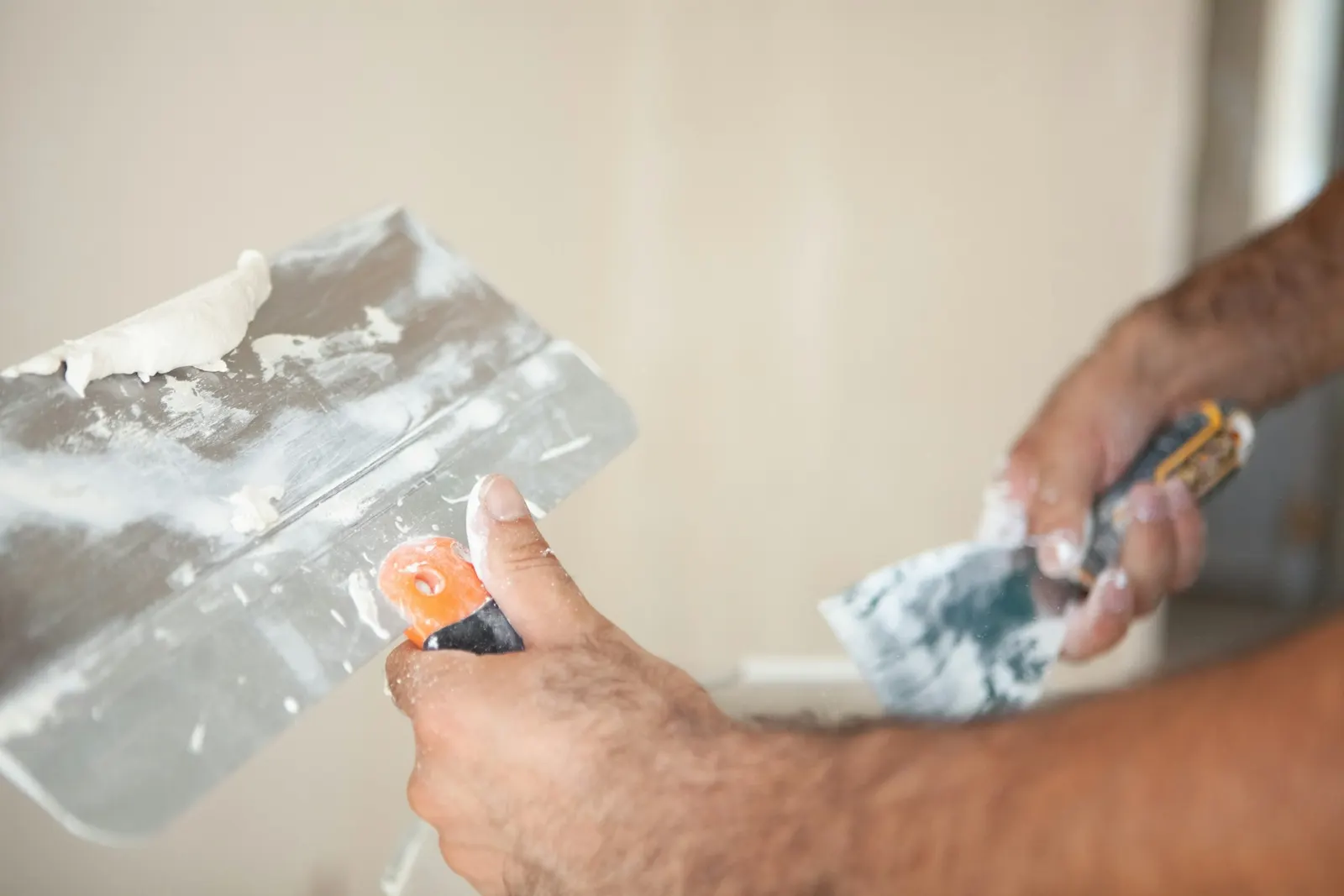
Most repair calls in the Williamsport area fall into four buckets: nail pops and seam cracks from seasonal wood movement (the most common, every older home gets them); impact damage, doorknob dents, furniture corners, kid-shaped holes; water damage from roofs, plumbing, or bathroom fans, which needs the source fixed before anything else; and settling cracks, which return until they are taped and stabilized rather than filled. Typical spot work runs $200–$1,200, and the repair should always finish with primer over the patch, fresh compound drinks paint differently than the surrounding wall, and the flash-through is what makes amateur patches visible from across the room.
Why does freeze-thaw country crack more?
The Susquehanna Valley's seasonal swing, humid summers and hard winters with dozens of freeze-thaw cycles, works older houses constantly. Wood framing shrinks in dry winter heating season and swells in summer, plaster keys crack loose from lath, and drywall seams open along the movement. The result is the local pattern: hairline cracks that widen every January and close every July. Repair done right follows the movement, paper or mesh tape bedded in compound across the crack so the joint flexes, instead of brittle filler that re-cracks on the first cold snap. Crews who work interior repaints in older city districts see and fix this weekly.
 Repair first, paint second
 The decision
Repair and paint, or just paint?
Painting over unrepaired damage is the most common way a paint budget gets wasted: a fresh sheen highlights every crack and pop the old color hid. The honest sequence is repair, prime, then paint, which is why most local quotes bundle them. Repair makes sense when damage is cosmetic or clearly caused by a fixed event; recurring cracks, sagging ceiling sections, or mold-colored staining deserve a diagnosis before a patch, because those are symptoms, not the disease.
A trustworthy crew will tell you which side of that line you are on before quoting, and the hiring guide lists the credibility checks.
Can you repair drywall yourself?
Small doorknob holes and single nail pops are fair DIY: a self-adhesive patch kit, a putty knife, and patience get 90% of the way. The last 10%, blending texture and sheen, is where DIY shows. Texture matching takes practice-board repetitions even for pros, ceiling work eats weekends, and anything water-related hides surprises in the wall cavity, insulation, wiring, mold. The honest division: cosmetic spot-fillers are yours; cracks that return, ceiling sections, water damage, and anything pre-1978 that needs sanding are a drywall contractor's.
How long do drywall repairs take?
Most spot repairs in the Williamsport area are one-day jobs with a return visit: patch and tape day one, second skim coat and texture after overnight dry, prime and paint on the finish pass. Multi-room work or ceiling sections stretch to two or three days. Material availability is rarely the constraint, drying time is, and crews schedule recoats around it rather than rushing wet compound, which is how shrink cracks end up telegraphing through the final paint. Bundle the repair with the room's repaint in one contract and the sequencing handles itself.
Questions
Repair FAQ
How much does drywall repair cost in Williamsport?
Typical spot repairs run $200–$1,200: nail pops and small holes at the low end, water-stain patches and stress-crack stabilization mid-range, and ceiling sections or multi-wall repairs at the top. Texture matching adds a line item. Painting the repair is usually quoted with it, see the cost guide.
Can you match texture on an old wall?
Usually, with skill and honesty required. Orange peel and knock-down textures match well from modern products; hand-applied vintage patterns, common in mid-century Williamsport homes, are matched by eye with a practice board until the blend disappears. Expect "invisible at conversational distance," not forensic perfection, on 60-year-old texture.
Why do cracks keep coming back in older homes?
Recurring cracks are usually movement, not bad repair: plaster keys breaking loose, wood framing shrinking across seasons, or settling. Honest crews stabilize, big-panel or mesh-tape the joint so the repair flexes with the wall, rather than filling the same crack a third time with spackle. Fixing the cause (a moisture source, a structural issue) belongs in the conversation too.
Is a water stain on the ceiling a repair or a red flag?
Both, in order. Find and fix the source first, a roof, plumbing, or bathroom-fan leak, because painting over an active stain bleeds through and hides a growing problem. Once dry, the repair itself is routine: seal the stain with a stain-blocking primer, patch as needed, and repaint. Crews doing interior painting handle this sequence weekly.
Plaster or drywall, which do local homes have?
Williamsport homes before roughly the 1950s are mostly plaster over wood lath; later builds are gypsum drywall. Repairs differ, plaster wants bonding agents and big patches keyed into the lath, drywall wants board replacement and tape, and crews with old-house experience quote each correctly. Many repairs sit at the boundary where the two materials meet.
Free estimate
Repair quotes, fast
- Describe the damage once, matched with crews doing repair work now
- Small-job friendly: many crews take repairs others skip
- Texture matching and lead-safe practices quoted honestly
- Free quotes, no obligation
Prefer talking? (570) 555-0184
Request your free estimate
Submitting a request is free. Availability and any estimate come from the independent professional who responds.
Next step, takes 2 minutes
Ready to request a painting estimate?
Tell us about the project. If an independent painter serves your area and the job is a fit, they may contact you to discuss an estimate.